


In southern Australia, winter temperatures can drop significantly. In northern regions, winters are mild but still cooler than summer. Many people stop swimming during winter. Some pool owners think they can stop maintenance completely. It is a common mistake.
Australia is famous for its outdoor lifestyle. Many families enjoy barbecues, beach trips, and backyard swimming. Because of the warm climate, swimming pools are very common in Australian homes. In cities like Sydney, Brisbane, Perth, and Adelaide, a backyard pool is not just a luxury. It is often part of daily life, especially during the long summer season.
However, owning a pool is not only about fun. It also requires responsibility. Clean and balanced water is important for health and safety. If pool maintenance is ignored, the water can quickly become dirty, unsafe, and expensive to fix. Many pool owners believe that maintenance is the same throughout the year. In reality, this is not true. Australia has different seasonal conditions, and each season brings specific challenges for pool care.
In summer, the strong sun and high temperature affect chlorine levels and algae growth. In autumn, falling leaves and dust create new cleaning problems. In winter, people may stop swimming, but the pool still needs basic care. In spring, preparation is necessary before heavy use begins again.
1. Summer Challenges (Hot and Sunny Season)
Summer in Australia can be extremely hot. In many regions, temperatures can reach above 35°C. The strong sunlight and UV radiation directly affect pool water chemistry. At the same time, pools are used more often during summer holidays, weekends, and school breaks.
| Challenge | Cause | Potential Problems | Recommended Solutions |
|---|---|---|---|
| Rapid algae growth | Warm water and strong sunlight accelerate algae reproduction | Green water, slippery surfaces, poor water quality | Test water 2–3 times weekly, maintain chlorine 1–3 ppm, brush pool surfaces, shock pool if needed |
| Chlorine loss from UV rays | Strong Australian UV radiation breaks down chlorine | Low sanitation levels, increased bacteria risk | Use stabilised chlorine with cyanuric acid, test frequently, add chlorine in the evening |
| Heavy pool usage | Swimmers introduce oils, sweat, sunscreen, and dirt | Higher contamination levels, increased filter load | Encourage pre-swim showers, clean skimmer baskets daily, run filtration longer |
2. Autumn Challenges (Leaves and Debris Season)
Autumn in Australia is cooler and often windy. Trees begin to drop leaves. In suburban areas with many trees, it becomes a major challenge for pool owners.
| Challenge | Cause | Potential Problems | Recommended Solutions |
|---|---|---|---|
| Falling leaves and debris | Trees shed leaves and wind carries debris | Surface stains, blocked skimmers, increased phosphate levels | Use pool cover, remove leaves daily with a net, empty skimmer baskets |
| Increased filter workload | Large amounts of organic debris entering water | Reduced circulation, inefficient filtration | Check filter pressure weekly, backwash sand/DE filters, clean cartridge filters |
| Changing weather conditions | Cool nights and warm days | Water chemistry fluctuations | Test pH and chlorine weekly, adjust chemicals as needed |
3. Winter Challenges (Cold and Low Usage Season)
| Challenge | Cause | Potential Problems | Recommended Solutions |
|---|---|---|---|
| Reduced water circulation | Pump usage reduced to save electricity | Stagnant or cloudy water | Run pump 4–6 hours daily, maintain minimal chlorine levels |
| Slow algae growth | Lower temperatures slow but do not stop algae | Algae development over time | Maintain chlorine, add algaecide if needed, brush pool monthly |
| Equipment damage risk | Cold temperatures and possible frost | Cracks in pipes, pump damage | Inspect equipment regularly, check for leaks, maintain correct water level |
Spring is the preparation season. As temperatures rise, families start planning outdoor activities again. The pool must be ready for frequent use.
4. Spring Challenges (Preparation Season)
Spring is the preparation season. As temperatures rise, families start planning outdoor activities again. The pool must be ready for frequent use.
| Challenges | Purpose | Key Actions |
|---|---|---|
| Deep pool cleaning | Remove debris accumulated during winter | Remove pool cover, vacuum pool, brush walls and steps |
| Water balance correction | Restore correct chemical balance | Test pH, chlorine, alkalinity, calcium hardness, shock the pool |
| Equipment inspection | Ensure equipment reliability before summer | Inspect pump motor, clean or replace filter media, check robotic cleaner |
5. Seasonal Maintenance Summary
| Season | Climate Characteristics | Main Issues | Key Maintenance Focus | Maintenance Intensity |
|---|---|---|---|---|
| Summer | Hot, strong sunlight, heavy pool use | Rapid algae growth, chlorine loss, water contamination | Frequent testing, extended filtration, shock treatment if needed | ⭐⭐⭐⭐⭐ |
| Autumn | Cooler, windy, falling leaves | Organic debris, filter stress | Daily leaf removal, filter checks | ⭐⭐⭐ |
| Winter | Cold, low usage | Stagnant water, equipment freeze risk | Basic circulation, minimum chlorine levels | ⭐⭐ |
| Spring | Rising temperatures, preparation for frequent use | Water imbalance, post-winter cleaning | Deep cleaning, full water testing, equipment inspection | ⭐⭐⭐⭐ |
6. Regional Differences in Australia
| Region | Climate Characteristics | Maintenance Implications |
|---|---|---|
| Queensland | Warm climate year-round | Higher algae risk throughout the year |
| Victoria & Tasmania | Cooler winters | Strong seasonal maintenance changes required |
| Western Australia | Strong sun and dry heat | Faster chlorine loss due to UV exposure |
| New South Wales | Mixed climate with seasonal storms | Variable maintenance depending on weather conditions |
7. The Role of Modern Technology
Today, technology makes pool care easier. Robotic pool cleaners can clean floors and walls automatically. They reduce manual labor and improve cleaning quality. Modern pumps are also more energy-efficient, saving electricity costs.
Using technology does not replace regular testing, but it reduces workload and improves results.
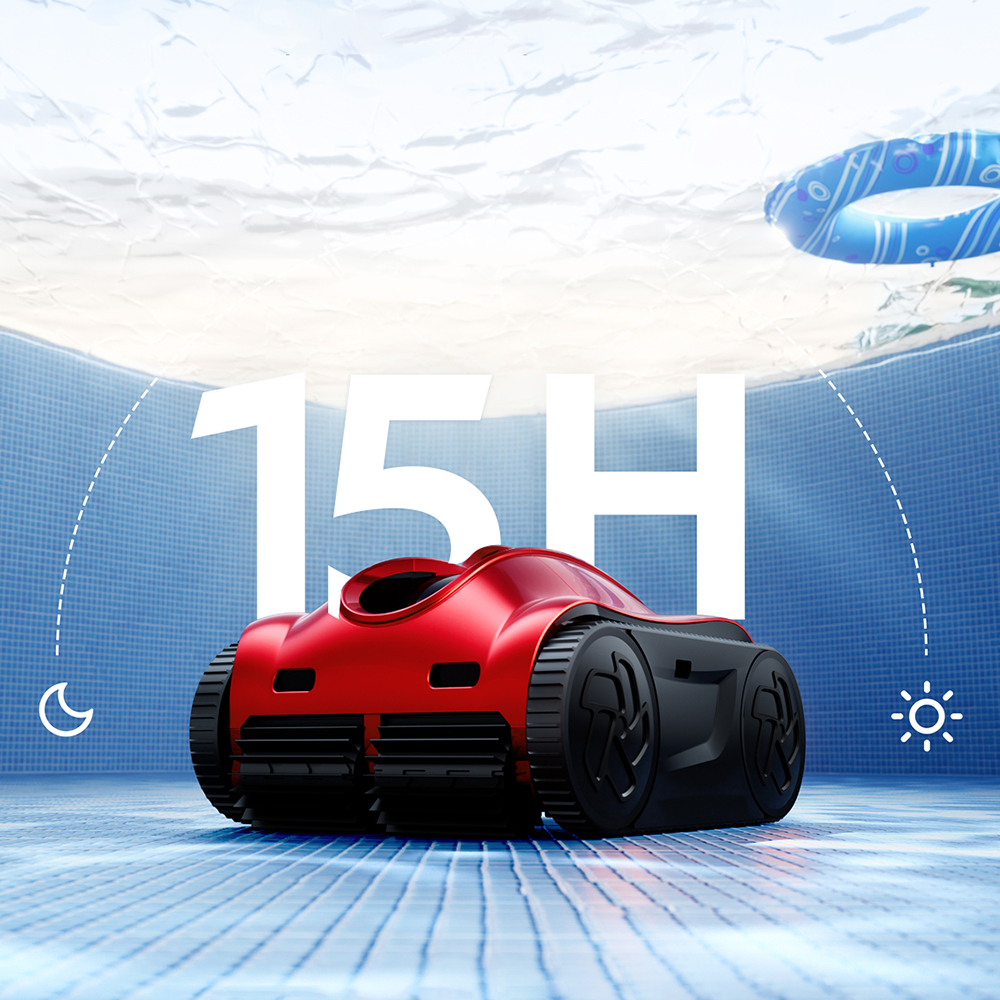
iGarden Cordless Robotic Pool Cleaner K Pro
iGarden Pool Cleaner K Pro, 15H Runtime, Cordless Robotic Pool Vacuum for Inground Pools, Touchscreen, Smart Navigation, 200% Turbo Suction, Ultra-Fine Filtration, Auto-Parking
Buy Now8. Conclusion
Pool maintenance in Australia is different in each season. Summer requires strong chemical control and longer filtration time. Autumn brings leaf and debris challenges. Winter needs basic but consistent care. Spring is the time for deep cleaning and preparation.
Understanding seasonal changes helps pool owners avoid common mistakes. With regular testing, proper chemical balance, and the use of modern cleaning tools, maintaining a pool becomes easier and more affordable.
A clean pool is not only beautiful. It protects health, saves money, and allows families to enjoy swimming all year round. By following seasonal maintenance steps, Australian pool owners can keep their water clear, safe, and ready for every season.
