


1.Why Counter Current Technology Matters
Swimming is one of the best exercises for your whole body. It helps build strength, improve endurance, support heart health, and increase flexibility, all without putting much stress on your joints. But most home swimming pools have a problem—they’re not long enough.
In a typical backyard pool, swimmers have to turn every few seconds. These constant turns interrupt the swimming rhythm and make training less effective. For people who swim for fitness or serious practice, this can be frustrating.
Counter current swim machines solve this problem. Instead of swimming from one end of the pool to the other, swimmers stay in one place and swim against a steady flow of water. This gives an “endless pool” experience, even in a small pool.
2. What Is a Counter Current Swim Machine?
A counter current swim machine is a device that creates a strong, steady flow of water inside a swimming pool. The water flows toward the swimmer, while the swimmer swims in the opposite direction. If the flow speed matches the swimmer’s speed, the swimmer stays in the same position.
This makes continuous swimming possible without needing a long pool.
It is important to understand that counter current systems are different from normal pool jets. Standard jets are mainly used for water circulation or massage. They usually produce short, narrow, and uneven water streams. In contrast, counter current swim machines are designed for long, stable swimming sessions.
These systems are commonly used in:
-
Home fitness pools
-
Swim training facilities
-
Rehabilitation and physical therapy pools
-
Hotels and wellness centers
The main goal is not just strong water pressure, but smooth, wide, and controllable water flow.

3. Basic Water Flow Principles
To understand how counter current swim machines work, we need to look at some basic water flow principles.
Smooth Flow vs. Turbulent Flow
High-quality systems aim to create smooth (laminar) water flow. This means the water moves in the same direction at a steady speed. Smooth flow allows swimmers to keep good body position and swim naturally.
Poorly designed systems often create turbulent flow, where water moves in different directions with strong waves and bubbles. This makes swimming uncomfortable and tiring. It can also push the swimmer off balance.
Good flow quality is especially important for:
-
Long training sessions
-
Stroke technique practice
-
Rehabilitation exercises
Flow Speed and Water Volume
Two factors affect how hard it is to swim:
-
Flow speed: how fast the water moves
-
Water volume: how much water moves at the same time
If the water is fast but narrow, it feels like swimming into a hard jet. If there is a lot of water but low speed, it may not provide enough resistance. The best counter current systems carefully balance both.
4. How Counter Current Systems Create Water Flow
① Pump-Based Systems
Pump-based systems are the most common type of counter current swim machine. They use one or more strong electric pumps to pull water from the pool and push it back through outlets.
Modern pump-based systems usually include:
-
High-power centrifugal pumps
-
Variable-speed motors
-
Electronic control units
Some systems use a single pump, while others use two or more pumps working together. Multi-pump systems can produce wider and more even flow, which improves swimming comfort.
However, pumps must be carefully designed to control:
-
Noise
-
Electricity use
-
Heat generation
Advanced systems use smart motor control to reduce energy use at lower speeds.
② Propeller-Based Systems
Propeller-based systems use a large rotating propeller instead of traditional pumps. The propeller moves a large amount of water at a lower speed, creating a very smooth and natural flow.
Advantages of propeller systems include:
-
Very wide swimming area
-
Low turbulence
-
Natural swimming feeling
These systems are usually more expensive and are often installed in premium residential or commercial pools. They are popular with serious swimmers and athletes who care about flow quality.
5. Flow Shaping and Outlet Design
Creating water movement is only part of the job. The water must also be shaped correctly before it reaches the swimmer.
Modern counter current swim machines use special outlet designs to:
-
Spread the water evenly
-
Reduce swirling and side movement
-
Direct the flow straight toward the swimmer
Many systems include internal flow straighteners that guide the water before it exits the machine. Some systems also allow users to adjust the angle of the water outlet.
Good outlet design helps create a clear “swimming lane” inside the pool.
6. Speed Control and User Adjustment
Different swimmers need different levels of resistance. Beginners, children, and rehabilitation users need slow and gentle flow. Strong swimmers and athletes need much faster water speed.
Modern systems offer:
-
Smooth speed adjustment
-
Multiple preset levels
-
Fine control for training accuracy
Instead of simple on/off switches, advanced machines use electronic speed control. This allows the water speed to increase or decrease smoothly, which is safer and more comfortable.
7. Smart Controls and Digital Features
Many counter current swim machines now include smart control technology. This makes them easier to use and more flexible.
Common features include:
-
Waterproof touch panels
-
Remote control devices
-
Mobile apps using Bluetooth or Wi-Fi
Some systems allow users to:
-
Save personal speed settings
-
Create interval training programs
-
Start or stop the system from inside the pool
These features make counter current swimming more similar to using modern fitness equipment.
8. Installation Types
Built-In Systems
Built-in systems are installed during pool construction. They are placed inside the pool wall and connected to hidden pipes and power units.
Advantages:
-
Clean appearance
-
Best flow performance
-
Long-term durability
Retrofit Systems
Retrofit systems are designed for existing pools. They can be installed with less construction work.
Advantages:
-
Easier installation
-
Lower upfront cost
However, retrofit systems may have limits depending on pool shape and size.
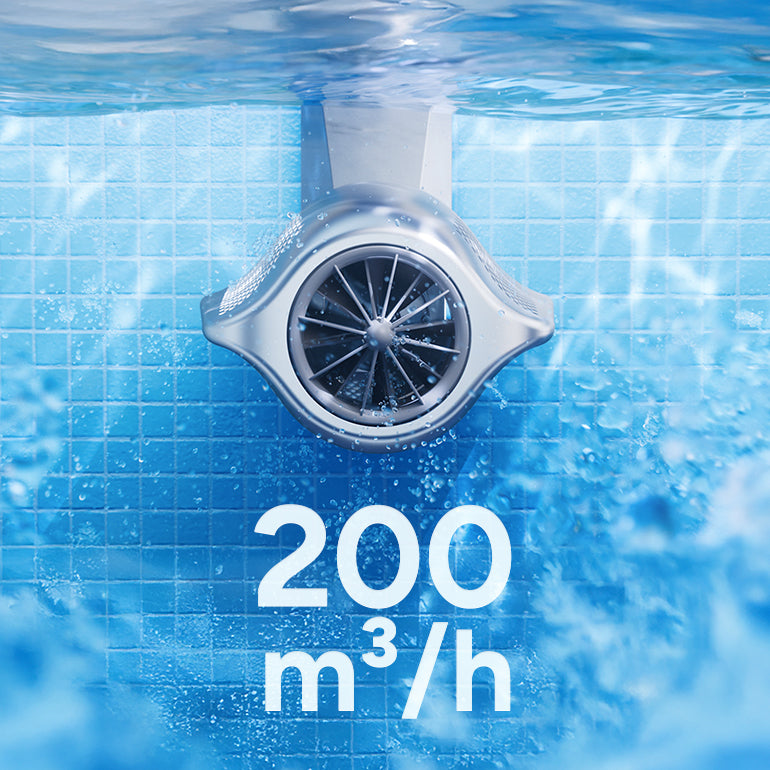
iGarden Swim Jet P Series
The Time Best Inventions of 2025. The stainless-steel system uses full-inverter technology for quiet, variable power and a patented flow-channel design that creates wider, consistent currents of up to 1,100 gallons per minute.
Buy Now9. Maintenance and Lifespan
The operational life of a counter-current machine—typically 10 to 15 years for premium units—is directly proportional to the rigor of its maintenance schedule and the quality of the pool environment.
-
Hydraulic Integrity & Seal Preservation: The mechanical seal is the most critical wear item. Regular inspections are required to identify "weep hole" leaks, which signal seal degradation. Replacing seals proactively prevents water ingress into the motor bearings and windings.
-
Corrosion Mitigation & Metallurgy: Counter-current systems often use high-grade AISI 316L stainless steel or reinforced polymers. However, high concentrations of salt (in salt-water chlorination systems) or improper pH levels can lead to pitting corrosion. Maintaining a Langelier Saturation Index (LSI) near zero is essential for protecting internal metal surfaces.
-
Intake & Impeller Clearance: Over time, debris can bypass primary filtration and obstruct the flow-straightening vanes or the impeller. Seasonal cleaning of the suction grilles prevents "cavitation"—a phenomenon where vacuum bubbles collapse and cause micro-pitting on the impeller surface, leading to noise and reduced efficiency.
-
Electrical Component Longevity: Variable Frequency Drives (VFDs) and controllers should be housed in climate-controlled or well-ventilated enclosures. Heat is the primary enemy of electronics; ensuring clean heat sinks and checking for tightened terminal connections prevents premature board failure due to thermal stress or arcing.
10. Conclusion
Counter current swim machines have changed the way people use swimming pools. They turn small pools into powerful fitness tools and allow endless swimming in limited space.
Modern systems focus on:
-
Smooth water flow
-
Precise control
-
Safety and energy efficiency
By understanding the technology behind these machines, users can make better choices and get more value from their pool. As home fitness becomes more popular, counter current swim machines will continue to play an important role in modern pool design.
