

1. The Cost and Value of Owning a Swimming Pool
Owning a swimming pool typically costs between thousands of dollars per year in maintenance, electricity, water, and chemicals. At the same time, it delivers daily fitness, family entertainment, lifestyle enjoyment, and long-term emotional value.
For many families, particularly in sun-drenched regions like Australia and the southern United States, the swimming pool is the ultimate symbol of the “good life.” It is the shimmering centerpiece of the backyard, a turquoise rectangle that promises endless summer afternoons, the sound of laughing children, and the smell of barbecue drifting over the water.
Yet the reality of pool ownership goes far beyond the surface. A modern swimming pool is not a simple hole filled with water. It is a living system that combines engineering, chemistry, architecture, safety management, and lifestyle design. When you buy a swimming pool, you are not just buying a place to swim—you are becoming the operator of a small water-treatment plant, the curator of a private resort, and the owner of a personal wellness facility.
2.What Do You Really Get When You Own a Swimming Pool?
①The Hidden Technical Ecosystem Behind Every Pool
To understand whether a swimming pool is worth it, you must first understand what you are actually buying. Beneath the calm surface is a closed-loop hydraulic and chemical system that must function continuously to keep the water clean, safe, and usable.
②The Pool Pump: The Heart of the System
The pump is the heart of your swimming pool. It circulates water through pipes, filters, heaters, and sanitizers. Without circulation, water becomes stagnant, algae grows, and bacteria multiplies.
Modern pools almost always use Variable Speed Pumps (VSPs), which can adjust their power depending on what the pool needs. This technology dramatically reduces electricity costs compared to older single-speed pumps, making modern pool ownership far more affordable.
③Pool Filtration: Keeping the Water Clean
If the pump is the heart, the filter is the lungs and kidneys. Every swimmer introduces body oils, sunscreen, hair, and microscopic debris into the water. Leaves, dust, and insects also enter the pool daily.
Most pool owners choose between three filter types:
-
Sand filters – durable and simple
-
Cartridge filters – higher clarity with less water waste
-
DE filters – the highest filtration quality available
Each option affects water clarity, maintenance effort, and long-term operating cost.
④Pool Chemistry and Water Balance: The Immune System
If the pump is the heart, water chemistry is the pool’s immune system. Owning a pool is not merely about "adding chlorine"; it is a continuous, precision-based scientific experiment measured in Parts Per Million (PPM).
-
Sanitization and Defense: Chlorine or salt-water bromine systems act as the frontline defense against pathogens. Their job is to neutralize bacteria, viruses, and algae spores on contact. Without a consistent sanitizer residual, a crystal-clear pool can turn into an opaque green swamp in less than 24 hours.
-
The pH Pivot Point: The pH level is the "metabolic balance" of your water. It must be kept strictly between $7.4$ and $7.6$—the same alkalinity as human tears. If the pH drops too low, the water becomes acidic, corroding expensive metal heaters and stinging swimmers' eyes. If it climbs too high, your chlorine becomes "locked" and ineffective, leading to scale buildup and cloudy water.
-
Alkalinity and Calcium Hardness: Total Alkalinity acts as a "buffer," preventing wild swings in pH. Meanwhile, Calcium Hardness protects the pool’s "skin." If the water is too soft (low calcium), it becomes "hungry" and will literally leach calcium out of your plaster or grout, leading to permanent structural pitting and erosion.
-
The "Sunscreen" for Water: Cyanuric Acid (CYA) acts as a stabilizer. Without it, the sun’s UV rays can destroy up to 90% of your pool’s chlorine in a matter of hours.
In summary, pool ownership is not "optional chemistry"—it is mandatory engineering. Neglecting these levels doesn't just make the water look bad; it creates a biological breeding ground and prematurely destroys your mechanical investment. While modern automated dosers and smart monitors have simplified the process, the owner’s role as the "lab technician" remains the final line of defense for bather safety.
3.Is a Swimming Pool Good for Family Life and Entertainment?
One of the strongest arguments for owning a pool is how it transforms your home.
A pool becomes the social center of the household. It creates a place where people naturally gather—children, friends, and family members. Even when nobody is swimming, the water becomes a visual and emotional anchor for outdoor living.
Modern pools also feature:
-
LED lighting systems for nighttime ambience
-
Waterfalls and fountains for sound and relaxation
-
Outdoor seating and deck areas for entertaining
It turns an ordinary backyard into a private resort.
For families with children or teenagers, a pool often becomes the reason everyone stays home instead of going elsewhere. That alone has significant value.
4.Is a Swimming Pool Good for Health and Fitness?
Pools are no longer just for leisure. They are now major wellness tools.
①Endless Swimming with Swim Jets
Modern pools can include swim jet systems that create a continuous current. You swim in place, similar to running on a treadmill. Even small pools can now provide Olympic-level training.
This makes pools powerful for:
-
Cardio training
-
Rehabilitation
-
Competitive swimming
-
Daily low-impact exercise
②Low-Impact, Full-Body Fitness
Water reduces body weight by about 90 percent. That means less strain on joints while still providing resistance. This makes pools ideal for people with arthritis, injuries, or limited mobility.
Pools also improve mental health. Scientific research on “Blue Mind” shows that water environments reduce stress and anxiety.
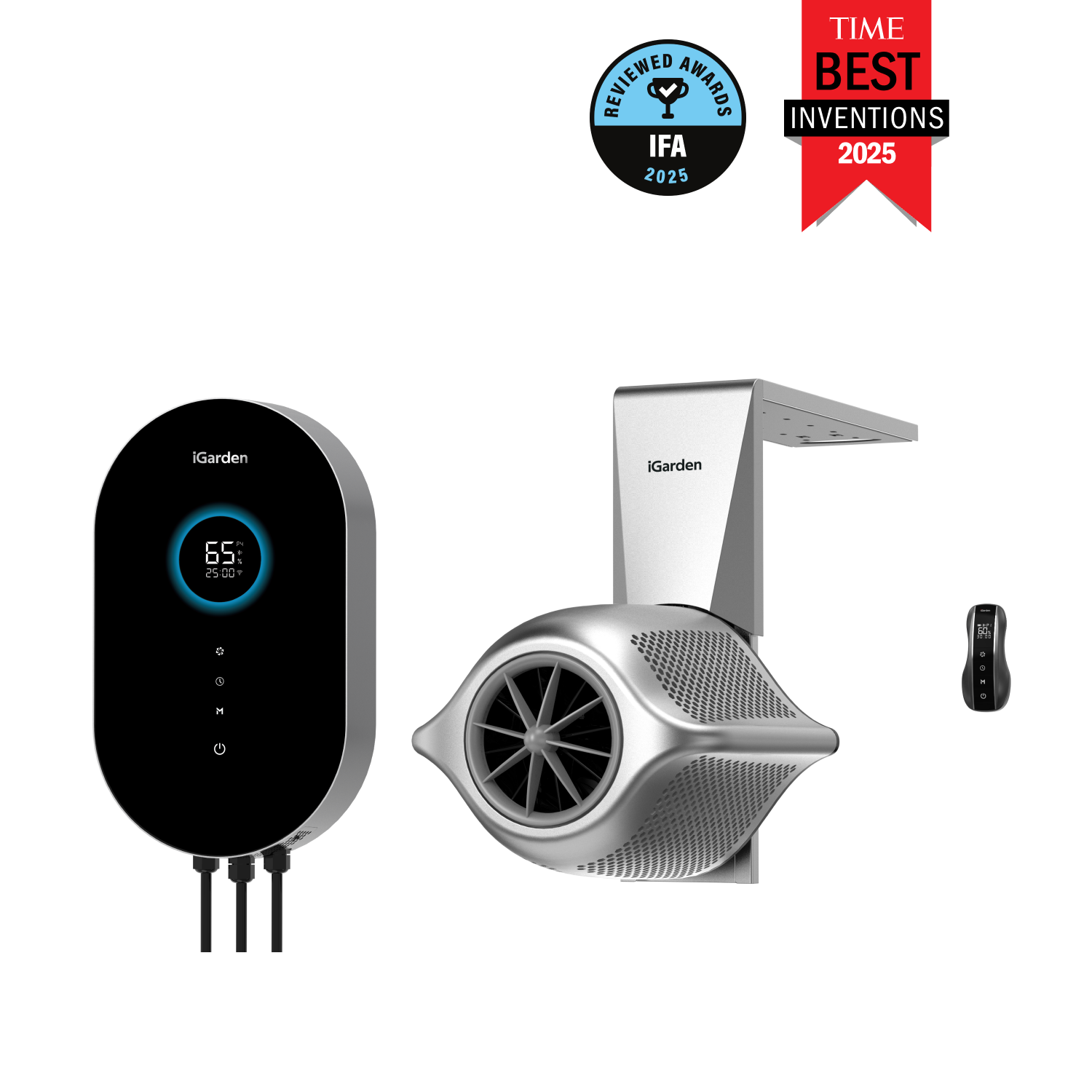
iGarden Swim Jet P Series
The Time Best Inventions of 2025. The stainless-steel system uses full-inverter technology for quiet, variable power and a patented flow-channel design that creates wider, consistent currents of up to 1,100 gallons per minute.
5.How Hard Is Pool Maintenance Today?
Owning a swimming pool has traditionally been a labor-intensive responsibility. Pool owners had to spend hours each week manually skimming leaves, scrubbing walls, brushing waterlines, and vacuuming the floor. Even with careful attention, maintaining a clean and safe swimming environment was challenging, and mistakes could lead to algae growth, cloudy water, or damage to pool surfaces and equipment.
Today, advances in technology—particularly modern robotic pool cleaners—have transformed routine maintenance. These devices combine automation, advanced filtration, and intelligent navigation, drastically reducing the effort required to keep a pool pristine. The following table compares traditional pool maintenance with modern robotic-assisted maintenance, highlighting the efficiency, coverage, and overall benefits of the new approach:
|
Maintenance Aspect |
Traditional Pool Maintenance |
Modern Robotic Pool Cleaners |
Impact / Advantage |
|
Labor Requirement |
Hours of manual labor per week: skimming leaves, scrubbing walls, vacuuming floor |
Minimal manual effort; robot operates automatically |
Reduces manual labor by up to 90% |
|
Pool Coverage |
Floor and easily accessible areas only |
Full pool coverage including walls, steps, and waterlines |
No missed spots; better algae and debris control |
|
Cleaning Efficiency |
Time-consuming, physically demanding |
Scheduled or on-demand operation, typically 1–2 hours per cycle |
Saves significant time and effort |
|
Filtration Quality |
Relies on main pool filter; fine debris may remain |
Captures microscopic debris; filters down to a few microns |
Enhances water clarity and reduces chemical load |
|
Operation Complexity |
Requires manual handling and supervision |
One-touch start, programmable schedules, some models allow remote app control |
Simplifies maintenance and reduces human error |
|
Chemical Management |
Weekly checks and adjustments needed; subject to human error |
Weekly checks combined with automated debris removal |
Stabilizes water quality and extends pool life |
|
Overall Maintenance Experience |
Physically intensive and routine-heavy |
Mostly automated; maintenance mainly chemical checks and emptying robot filter basket |
Transforms pool ownership into a leisure-oriented lifestyle |
6.How Much Does It Cost to Own a Swimming Pool?
Owning a swimming pool is exciting, but it can be expensive. The cost is not just the installation—it also includes running and maintenance. To plan properly, it is important to understand the Total Cost of Ownership (TCO).
① Upfront Costs (Installation)
The cost to build a pool in Australia depends on the type, size, and extra features:
-
Concrete Pools: A$60,000–100,000+
These are strong and can last many years. They can be built in almost any shape and can include features like tiles, waterfalls, or spa areas. -
Fibreglass Pools: A$45,000–100,000+
These are pre-made shells installed in the ground. They are quick to install and have smooth surfaces that resist algae. -
Vinyl Liner Pools: Varies, usually cheaper
These pools are flexible in shape and cheaper to build. The liner usually needs to be replaced every 7–15 years. -
Above-Ground or Plunge Pools: From about A$8,000
Smaller or temporary pools cost less and are easier to install.
Other Costs:
-
Permits and Safety Fencing: Most councils require pool fences and safety inspections. This can cost several thousand dollars.
-
Decking, Landscaping, and Extras: Patios, lights, heating, and landscaping increase the cost.
②Annual Operating Costs
After installation, pools need ongoing costs for electricity, chemicals, cleaning, and repairs. These costs vary by pool size, usage, and climate:
-
Electricity: For pumps, filters, heaters, and lights. Usually A$800–2,000 per year. Energy-efficient pumps can save money.
-
Chemicals: Chlorine, pH balancers, and stabilisers. Usually A$200–800 per year.
-
Cleaning & Service: DIY cleaning or hiring professionals. Professional weekly cleaning can cost A$1,000–2,000 per year.
-
Water: Pools lose water from evaporation or backwashing. Water bills depend on local rates and climate.
-
Repairs & Equipment Replacement: Pumps, filters, and heaters need repairs or replacement over time.
Average Annual Cost: Most pools cost A$1,200–3,000 per year if you clean it yourself. Professional services or heated pools will cost more.
③ Total Cost of Ownership (TCO) Tips
-
Climate: Pools in hot areas are used more often. In cooler states, heating may be needed.
-
Regulations: Australian law requires fences and inspections.
-
Lifestyle vs Investment: Pools add enjoyment, but they may not increase property value enough to cover all costs.
-
Technology: Automatic dosing systems, robotic cleaners, and energy-efficient pumps cost more upfront but save time and money later.
Summary Table (Australia)
|
Cost Category |
Typical Price (AUD) |
Notes |
|
Concrete Pool Installation |
A$60,000–100,000+ |
Strong, long-lasting, can be customised |
|
Fibreglass Pool Installation |
A$45,000–100,000+ |
Quick to install, smooth surface |
|
Vinyl Liner Pool |
Varies |
Cheaper upfront, liner needs replacement |
|
Permits & Fencing |
Several thousand |
Required by law |
|
Annual Utilities & Chemicals |
A$1,200–3,000+ |
Electricity, water, chemicals |
|
Professional Cleaning & Service |
A$1,000–2,000+ |
Optional, improves water quality |
|
Repairs & Equipment Replacement |
Variable |
Pumps, filters, heaters over time |
7.Do Pools Increase Home Value?
Whether a swimming pool increases home value depends on where the home is located and who the buyers are.
In warm parts of Australia, such as Queensland or northern New South Wales, pools are very popular. Buyers often see a pool as part of an outdoor lifestyle. In these areas, a pool can help a home sell faster and make it more attractive.
In cooler regions, such as Tasmania or southern Victoria, pools may not be as popular. Some buyers worry about maintenance, safety, and running costs. Because of this, a pool does not always increase the sale price.
Even if the financial return is unclear, many families still feel a pool is worth it because of daily use and enjoyment.
Pool Impact by Location
|
Location / Climate |
Buyer Interest |
Effect on Home Value |
|
Warm climate areas |
High |
Often positive |
|
Mild climate areas |
Mixed |
Depends on buyer |
|
Cool climate areas |
Low |
Can reduce interest |
8.Is Owning a Pool Dangerous or Risky?
Pools can be dangerous if they are not managed properly, especially for children.
In Australia, strict safety laws apply. Most pools must have:
-
A safety fence
-
A self-closing, self-latching gate
-
Clear access rules
Homeowners also need to tell their insurance company if they have a pool. Pools are seen as an “attractive nuisance,” meaning they can attract children and increase legal risk if an accident happens.
Good pool owners take extra steps to stay safe. This includes learning CPR, setting clear pool rules, and always supervising swimmers.
Common Pool Safety Responsibilities
|
Safety Area |
Why It Matters |
|
Pool fencing |
Stops unsupervised access |
|
Self-closing gates |
Prevents gates being left open |
|
Insurance updates |
Protects against legal risk |
|
CPR training |
Helps in emergencies |
9.Is Pool Ownership Environmentally Responsible?
Pools do use water and energy, but modern pools are much more efficient than older ones.
Pool covers can reduce water evaporation by up to 95 percent. This saves water and reduces heating costs. This is very important in Australia, where water conservation is a big issue.
New cleaning systems such as UV, ozone, and mineral systems use fewer chemicals than traditional chlorine-only systems. They also make the water more comfortable to swim in.
With good design and smart use, a pool can be enjoyed while still being environmentally responsible.
Modern Eco-Friendly Pool Features
|
Feature |
Environmental Benefit |
|
Pool cover |
Saves water and heat |
|
UV / ozone systems |
Reduces chemical use |
|
Energy-efficient pump |
Uses less electricity |
|
Smart timers |
Prevents energy waste |
10.So… Is Owning a Swimming Pool Worth It?
Yes. A Swimming pool worth it. If you are looking at:
-
Family time
-
Fitness
-
Mental health
-
Home enjoyment
-
Long-term memories
Then for many households, a swimming pool is one of the most valuable investments they ever make. A pool i s not just a product.It is a private ecosystem that turns a house into a home.